Leaving a commercial property involves more than packing up equipment and returning the keys. Before the final handover, businesses need to make sure the premises are clean, accessible and ready for inspection. A structured commercial vacate cleaning Melbourne checklist can make this process easier.
Commercial buildings often contain multiple areas with different cleaning requirements. Offices, kitchens, bathrooms, carpeted rooms, hard floors and shared spaces can all require attention. Without a checklist, it is easy to concentrate on obvious areas while overlooking less visible ones.
This guide provides a practical framework for businesses preparing for a commercial property handover.
Start With the Lease and Handover Requirements
Before arranging cleaning, review the lease and any instructions supplied by the property manager or landlord.
The required condition can vary between properties. Some leases may specify particular cleaning expectations, while others may refer to the condition of the premises at the beginning of the tenancy.
Understanding these requirements first helps businesses determine the appropriate cleaning scope.
If there is a property condition report, compare it with the current condition of the premises. This can help identify areas that require additional attention before the final inspection.
Commercial Vacate Cleaning Checklist
A useful commercial vacate cleaning checklist should cover the entire property rather than only the most visible rooms.
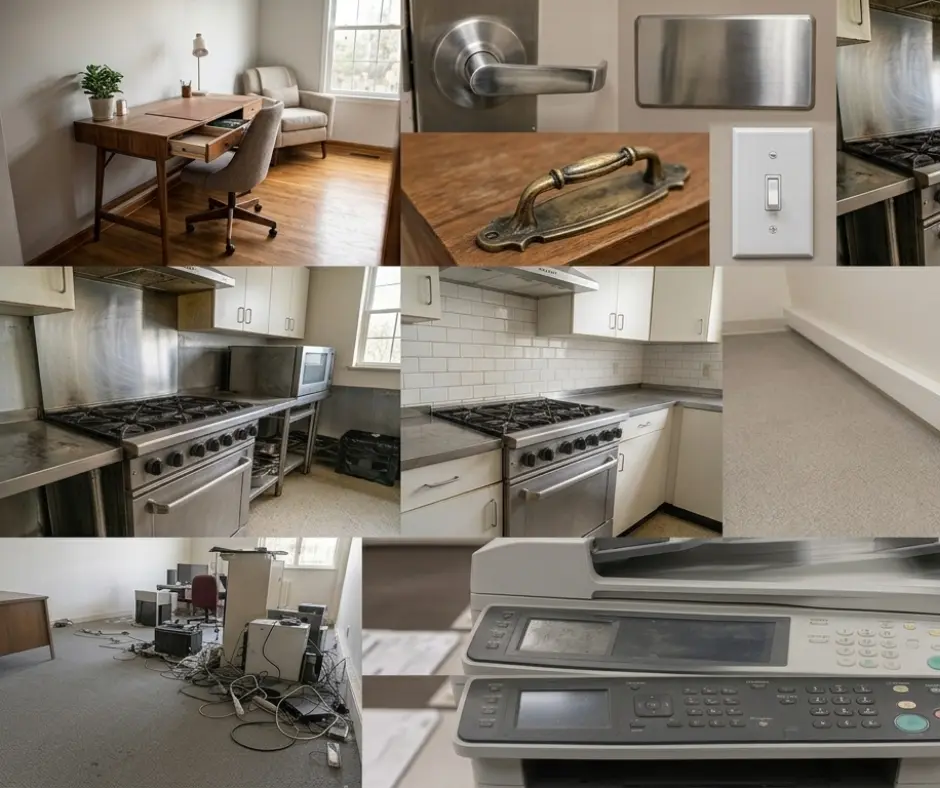
1. Office and General Areas
Check:
- Floors and carpets
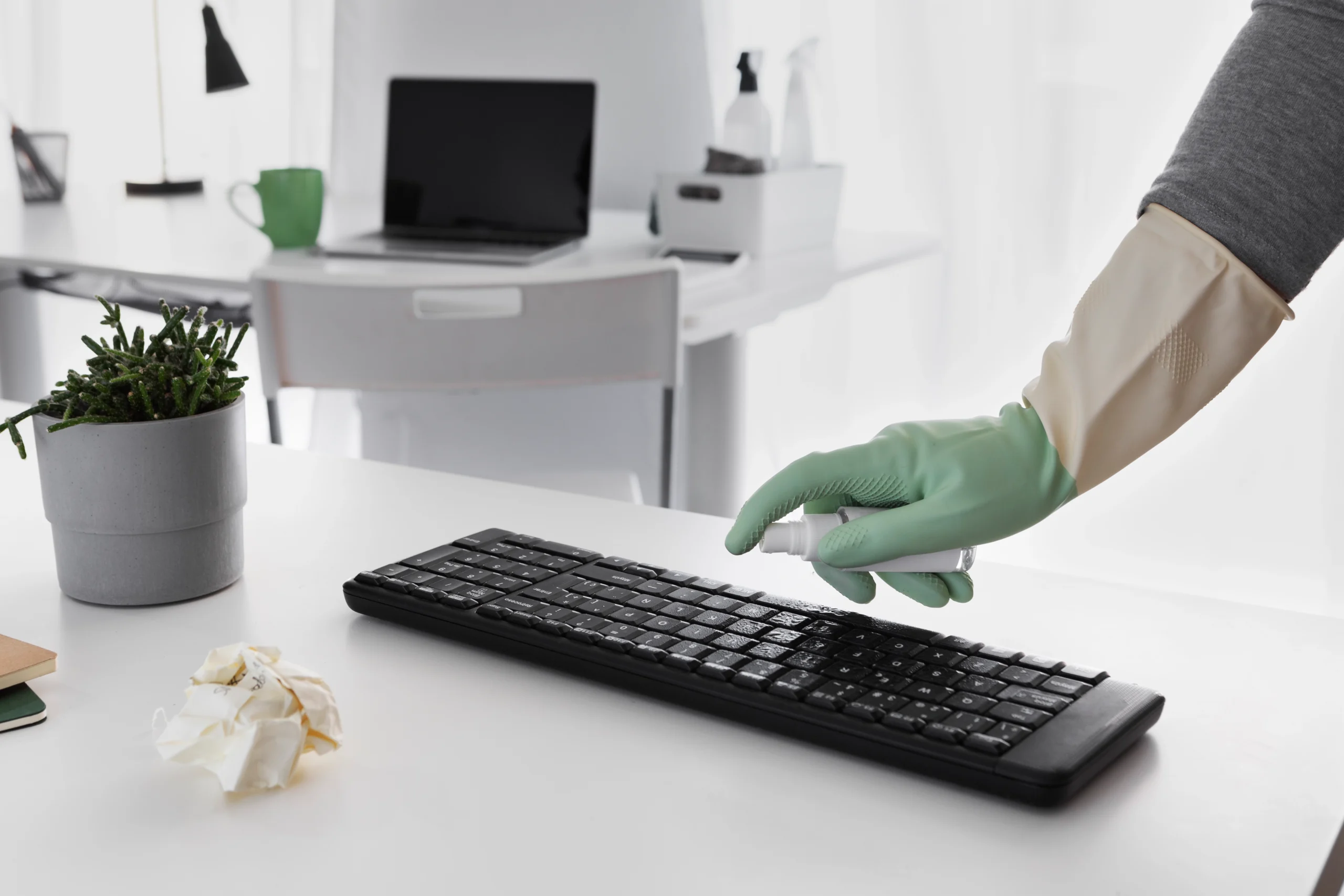
- Accessible surfaces
- Doors and handles
- Partitions
- Internal glass
- High-traffic areas
- Dust accumulation
- Visible marks
Furniture and equipment should ideally be removed before detailed cleaning begins.
2. Kitchen and Break Areas
Commercial kitchens and staff kitchens may require attention to:
- Benchtops
- Sinks
- Cupboards
- Floors
- Splashbacks
- Appliances where included in the agreed scope
- Food residue
- Grease-prone surfaces
The cleaning approach should match the type of surface to avoid unnecessary damage.
3. Bathrooms
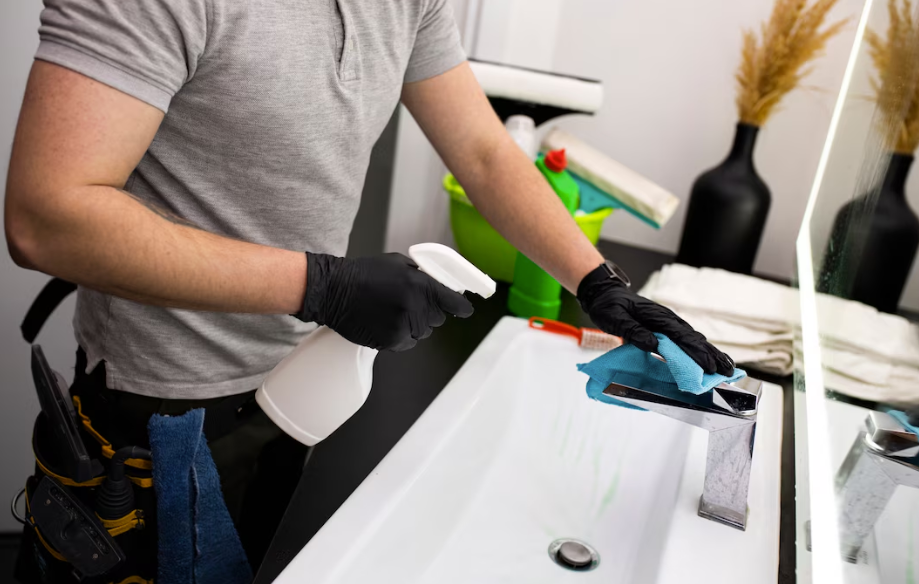
Bathrooms should be inspected carefully before handover. Areas to check include toilets, basins, mirrors, floors, partitions and other accessible surfaces.
Pay particular attention to visible buildup and marks because bathrooms are often among the first areas inspected.
4. Floors and Carpets
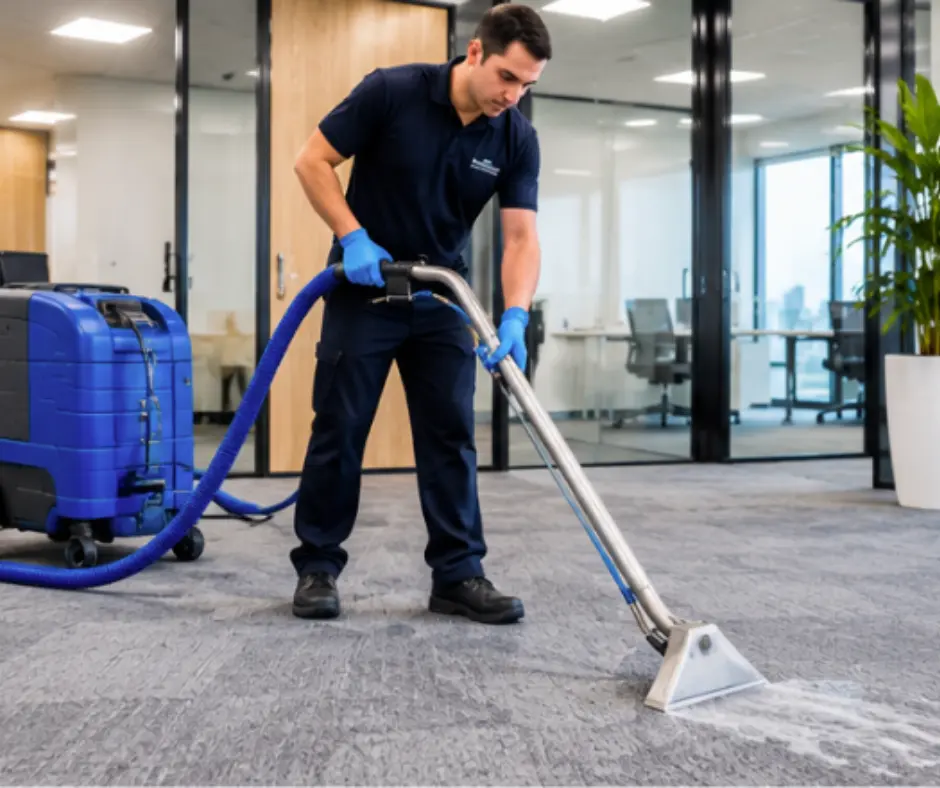
Different flooring materials require different approaches. Carpet may require professional extraction or stain treatment, while hard flooring may require mopping, scrubbing or other appropriate methods.
Heavy traffic areas should be inspected after furniture has been removed.
5. Windows and Glass
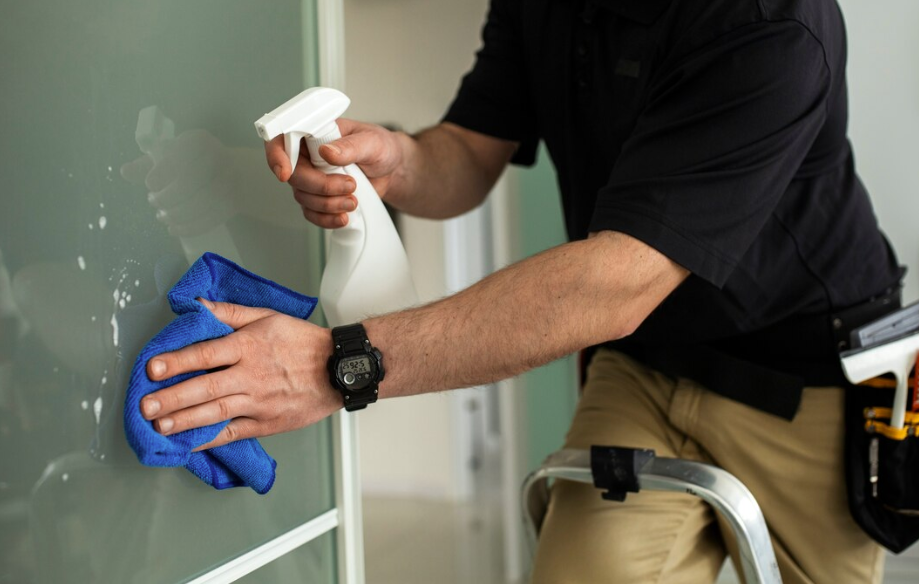
Check accessible windows, glass doors and internal glass surfaces for fingerprints, dust and visible marks.
What Is Commercial Property Handover Cleaning?
Commercial property handover cleaning is focused on preparing the premises for the next stage of occupancy or inspection.
The aim is to leave the property clean and presentable after the business has removed its belongings. This makes it different from cleaning around an active workplace, where furniture, employees and equipment can restrict access to certain areas.
During a lease handover, empty spaces can reveal dirt, stains and marks that were hidden behind furniture or equipment.
Don’t Forget Areas That Are Easy to Miss
Some areas receive less attention because they are not immediately visible during everyday operations.
These may include:
- Corners behind furniture
- Edges around flooring
- Internal glass
- Door frames
- Skirting areas
- Storage spaces
- Empty cupboards
- High-traffic carpet sections
A final walk-through can help identify these areas before the property manager conducts an inspection.
Preparing the Property Before Cleaning
Cleaning becomes easier when the property has already been cleared.
Businesses should remove:
- Furniture that is not staying
- Unwanted equipment
- Stock
- Personal belongings
- Packaging
- Rubbish
- Temporary signage
Once the property is substantially empty, cleaners can access areas that were previously obstructed.
It is also helpful to ensure electricity and water are available where required for the agreed cleaning work.
When Should You Arrange the Cleaning?
The cleaning date should fit around the move-out schedule. If cleaning takes place too early, additional dirt can accumulate before the final handover. If it is left too late, there may be limited time to address overlooked areas.
For larger premises, businesses should allow enough time for a detailed clean rather than treating the final day as the only opportunity.
If specialist floor or carpet cleaning is required, this should also be considered when planning the schedule.
Why Professional Cleaning Can Help
A commercial move can already involve staff coordination, equipment removal, documentation and property management communication.
Professional cleaning can take one significant responsibility off the internal team’s workload.
Boost Commercial Cleaning can assist businesses that need professional end of lease cleaning for commercial properties in Melbourne.
Businesses can also review our guide to end of lease cleaning in Melbourne when planning the broader lease-exit process.
Final Handover Walk-Through
After cleaning is completed, conduct one final inspection.
Walk through each room and check floors, carpets, bathrooms, kitchens, glass and other visible surfaces. Compare the property with the lease requirements and any available condition report.
This final check is useful because it allows businesses to identify any areas that may need additional attention before the keys are returned.
Conclusion
A well-organised commercial vacate cleaning Melbourne plan can make the final stage of a lease much easier. The most effective approach is to start with the lease requirements, remove belongings, work through each area systematically and complete a final inspection.
A detailed checklist also reduces the chance of overlooking less obvious areas during the move-out process.